The Sales
Performance Gap Report
Sales teams don't fall apart in the final week. They fall apart three weeks earlier, in the conversations that didn't happen and the calls that quietly stopped. None of that shows up in a dashboard while it's happening. By the time it does, the quarter is written. This guide is the full diagnosis: what creates the gap, why the usual fixes don't close it, and what it costs every quarter it stays open.
34%
of sellers hit their number last year
1 in 5
sales leaders back their forecast with confidence
50%
of frontline reps actively weighing whether to stay

The Sales Performance Gap Report
Most teams can see what went wrong. The problem is they found out three weeks too late to change it.
What this report covers
- Why performance stays inconsistent
- Why managers find gaps too late
- Why the usual fixes do not stick
- Where the real performance opportunity sits
- What actionable early signals look like in practice
- What consistent performance looks like when the gap closes
In this report


The quarter doesn’t fall apart at the end. The slip happens quietly from the beginning.
Most post-mortems happen in the wrong place. When a team misses its number, the review focuses on the final week; what did not close, which deals slipped, who underdelivered. But the actions that determined that outcome were made weeks earlier, in the small daily behaviors that nobody was watching closely enough.
A rep who was making twelve outbound contacts a day quietly drops to seven. A team whose follow-up response time was consistent starts taking longer to re-engage after meetings. Pipeline that was moving stops moving. And yet, none of this shows up in a revenue dashboard. All of it happens early on when there is still time to change the outcome … if anyone knows to look.
This isn’t a talent problem. The same pattern shows up in teams with strong hiring, experienced managers, and clear playbooks. It’s what happens when there is no system making the right behaviors the daily default for everyone on the team, not just when a competition is running or a manager is paying close attention. Without that consistency, results don’t just underperform, they become unpredictable. And unpredictable performance is a compounding problem, because every quarter becomes a fresh negotiation with variance that is very hard to control.
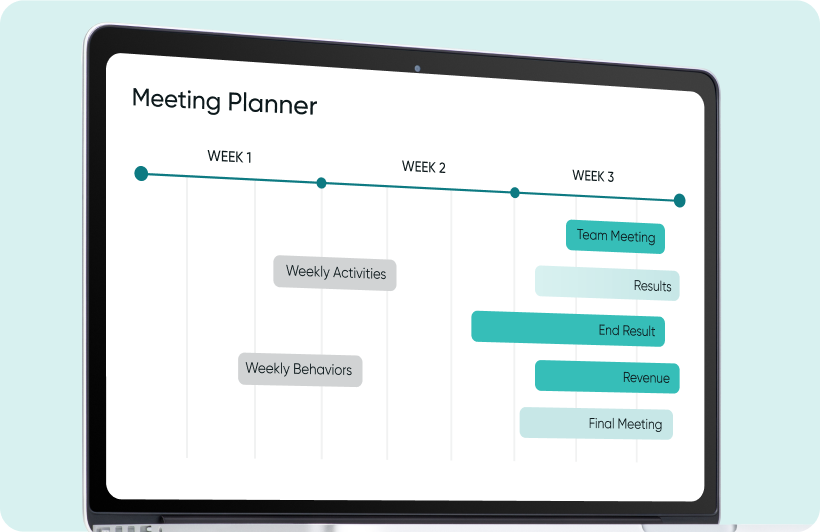
Regular Meetings Miss the Mark
When only results are visible, meetings default to reviewing numbers that have already happened. Conversations center on revenue instead of the actions that could still change the result.
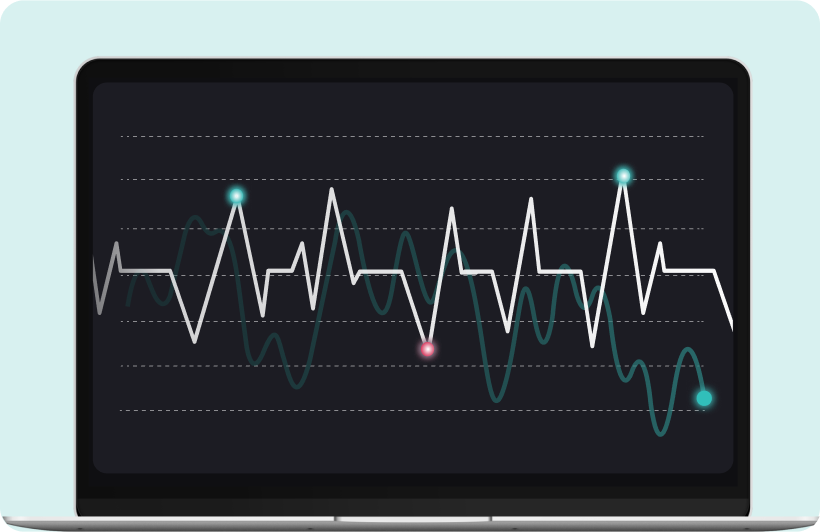
Performance Shifts Before Metrics Do
Reps don’t go from performing to struggling overnight. The shift happens gradually, and when daily behavior is not visible, no one notices until the outcome has already been decided.
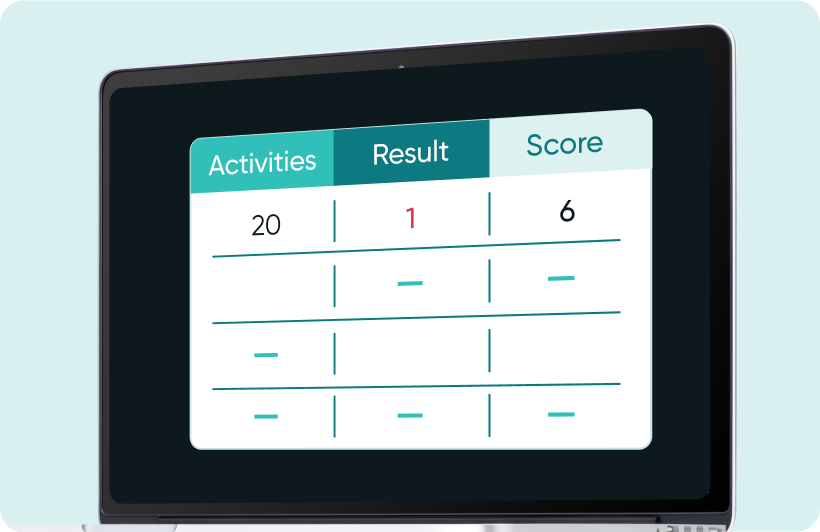
Coaching Stays Generic
When outcomes are the only input, coaching stays reactive. Managers know something is off but cannot see which activities need attention. The root cause never gets addressed.
Most sales managers find out on Friday. The problem started on Wednesday.
Outcome data is a lagging indicator. Revenue, quota attainment, pipeline value are records of what already happened. The behaviors that shaped those outcomes occurred days or weeks earlier, in systems most managers do not have time to monitor closely enough.
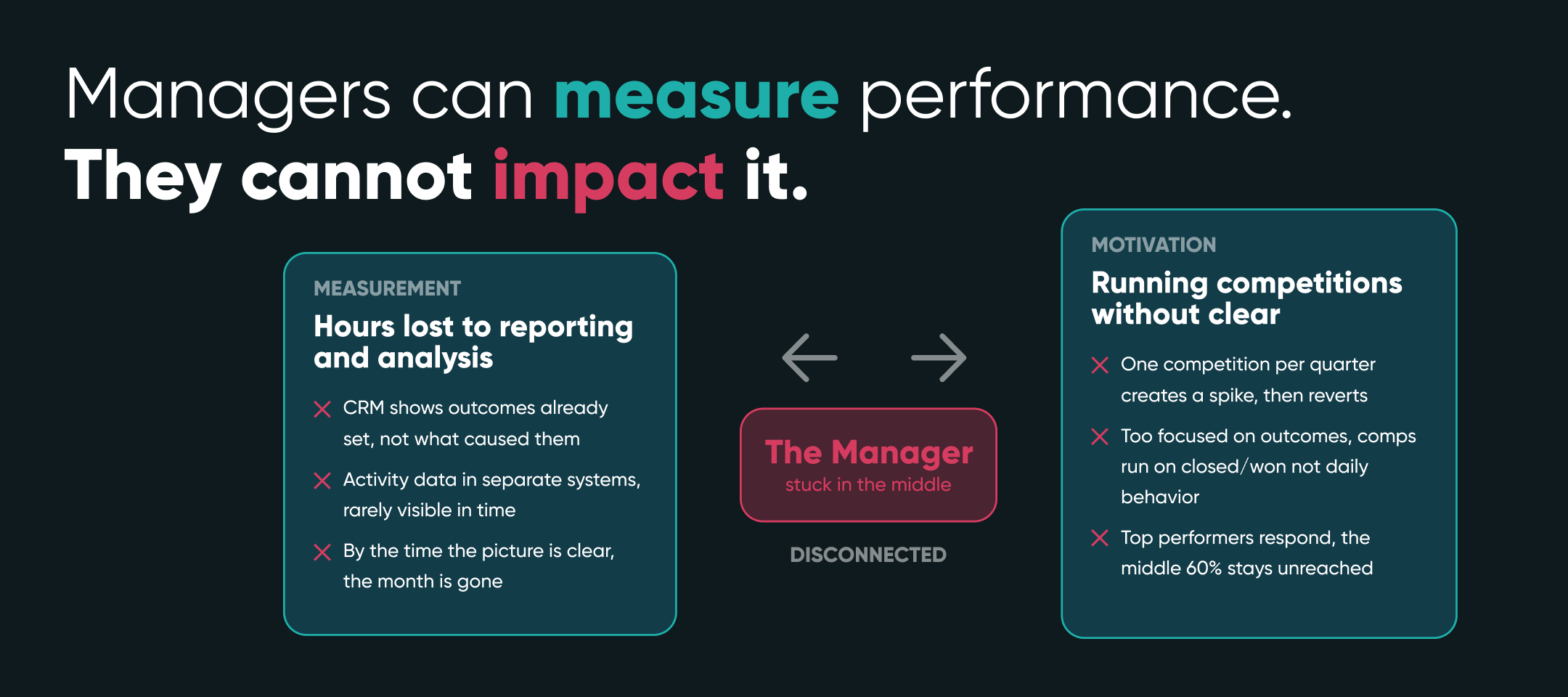
Almost every sales organization is running performance across two disconnected systems. Measurement on one side and motivation on the other. Neither was built to connect to the other, so the work of bridging them falls to individual managers, done manually, with whatever time remains after reporting. The result is a management style that is almost entirely reactive by design.
Hours a day go into reporting and that’s time not spent leading the team. By the time the picture is clear, the month is usually already gone. The interventions that follow are responses to an outcome that has largely already been set. 70% of managers say they lack time to coach, and reps spend around 20% of their week on self-reporting that tells the manager what they already know. The system consumes the hours that leadership actually needs.
Behavioral signals appear two to three
weeks before they surface in revenue data

By the time a CRM confirms a problem, the
window to act has already closed

Managers spend hours diagnosing why the
team is underperforming instead of fixing it

The same conversation happens every quarter because nothing changed in the system that produced the result

Managers do the right things. They just do them too late.
When numbers start slipping, managers reach for the most visible lever available. They run a competition, schedule extra coaching sessions, push harder on pipeline reviews. The intent is right but the timing is not. These interventions almost always arrive two to three weeks behind the behavior that caused the problem, which is why results improve temporarily and then revert.
The competition creates urgency but urgency fades when the competition ends. The coaching conversation happens after the dip, when the outcome is already largely set. Nothing changed in the underlying system, so the same pattern reasserts itself the following month.
89% of employees say gamification makes them more productive at work. Yet most sales teams only run one competition per quarter. The gap between those two facts is where the available performance gain lives.
By the time I have figured out what is wrong, we have already missed the month.
CRM data captures outcomes that are already set. The daily activities that shaped those numbers live in different systems, if they are tracked at all. By the time a manager has worked through dashboards across multiple tools, the opportunity to change the result has passed.

Numbers went up for two weeks. Then everything went back to normal.
One-off contests borrow performance from the weeks that follow. They do not build habits. Without something reinforcing the right behaviors every day, activity stays tied to whatever momentum already exists, which mostly means the top reps who were going to perform regardless.
Six different challenges. Same rootcause.
When sales leaders describe what is getting in the way of consistent performance, the same six challenges surface more than anything else. They tend to present as separate problems; some operational, some structural, some cultural. But trace each one back and they converge on the same place. Managers can see what is happening but they don’t have a reliable way to change it consistently, across the whole team, every single day.
The sixth barrier is the most revealing. An inconsistent pipeline is not a closing problem. It is evidence that the behaviors which fill a pipeline were not happening consistently in the weeks before the quarter-end review. By the time the pipeline looks thin, the window to fix it in the current quarter has already closed.
Limited Resources and Bandwidth:
Expected to deliver more without the infrastructure to support it

Top Performer Dependency:
Two or three people carry the number while the rest underperform to their real potential
Hybrid Team Structure:
Remote and in-person reps experience completely different levels of daily support

Wasted Money on Tools:
Tech stacks that record data well but don’t translate it into daily behavior change

Team Attrition:
Performance instability drives the talent loss that makes performance even harder to stabilize
Inconsistent Pipeline:
A symptom of behaviors that were inconsistent weeks earlier, not a closing problem
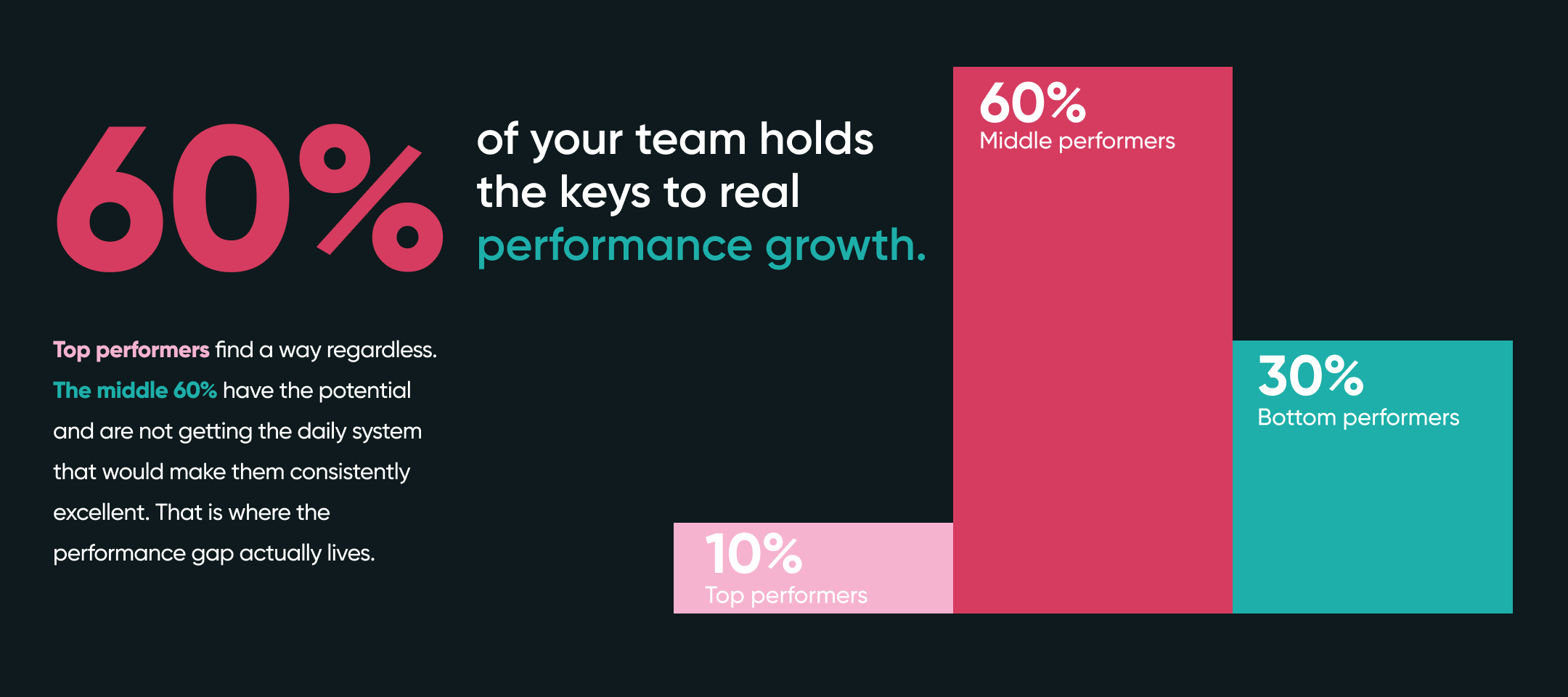
60% of most sales teams are performing below what they are genuinely capable of.
Every sales team has roughly the same distribution. Around 10% are top performers who find a way to hit their number regardless of what the organization does around them. Around 30% are low performers who are in need of some serious remediation. In the middle, 60% of the team have the skills, want to perform, and are producing somewhere between 60-85% of what they are genuinely capable of.
That 60% is where almost all of the available performance gain actually sits. Not in finding better top performers. Not in managing out the bottom. In the middle, where the potential is real and the daily structure to realize it is missing. Most performance systems are built for the extremes. Top performers get recognition because their results are visible. Bottom performers get coaching because their numbers demand it. The middle gets managed by exception, which mostly means not managed at all.
A leaderboard that shows a rep in 15th place out of 20 is not a motivation tool for that rep. The same mechanic that fires up a competitive top performer actively disengages the person who most needs support. Sustainable performance across a whole team requires understanding that different people respond to different things, and having a system that reaches each of them rather than defaulting to the one mechanic that works for the top 10%.
What changes when the gap actually closes.
The teams that have solved this are not the ones with the best reps or the highest quotas. They are the ones that figured out how to make the right behaviors the path of least resistance for every person on the team, every single day. At SalesScreen, we make this kind of behavior change easy by connecting three key actions in a repeatable cycle.
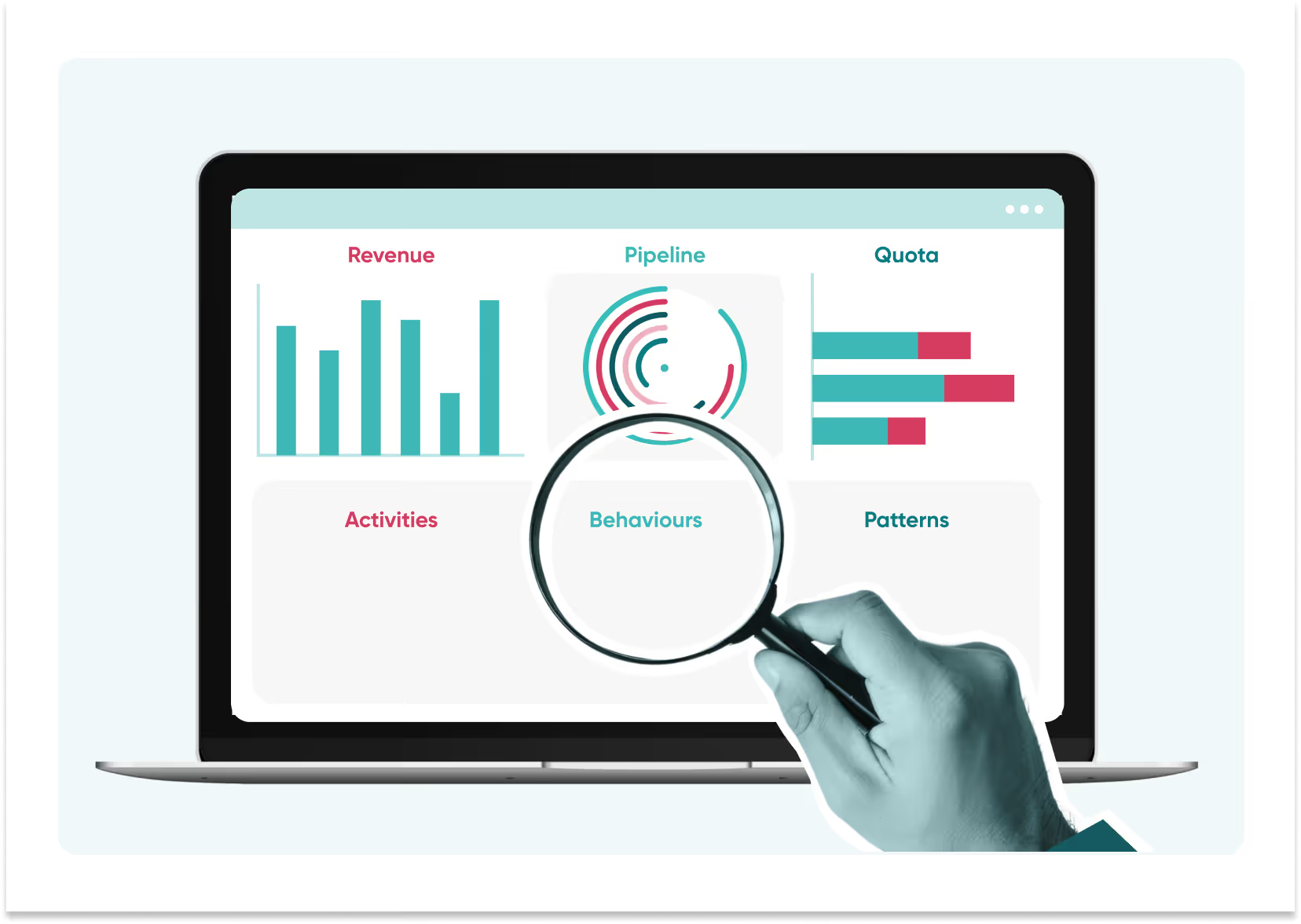
AI insight into real-time behavior and activity
Scout AI continuously scans activity data and surfaces trends that signal risk long before they show up in revenue metrics. Managers get clear alerts on which reps or teams are shifting, so they can act while there is still time to change the outcome.
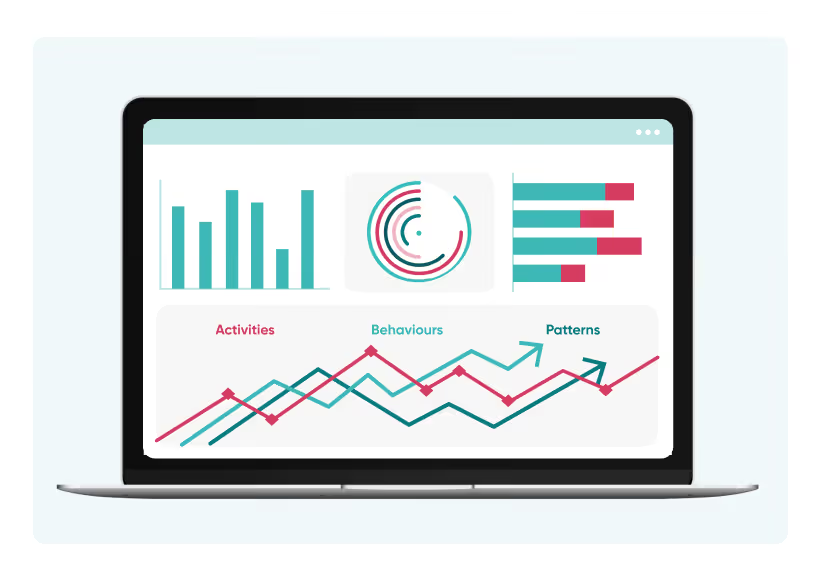
Instant impact with always-on gamification
Always-on gamification nudges reps toward the exact behaviors needed while work is happening. AI analyzes performance patterns and suggests which mechanic to deploy, so every competition, mission, and recognition moment is tied to a clear performance outcome.
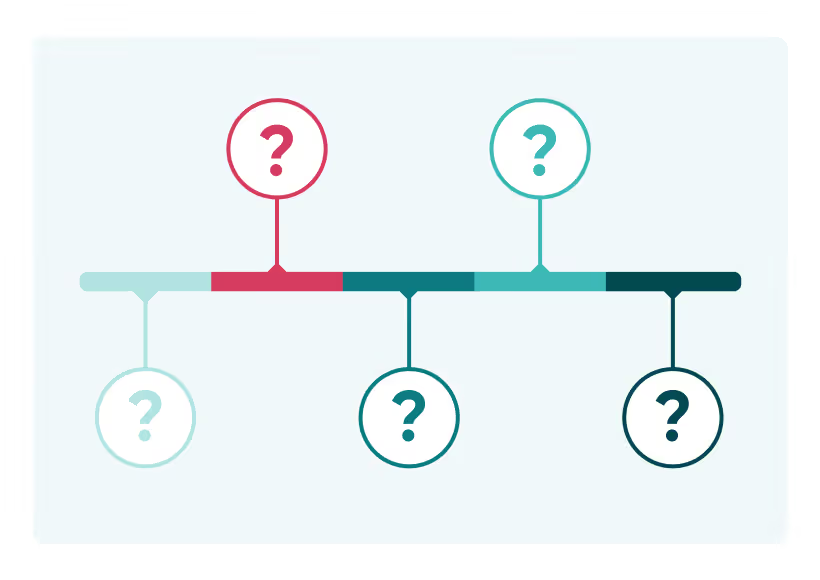
Positive reinforcement creates consistent performance
Ongoing recognition and visible progress reinforces the behaviors that move the numbers most. Over time, those actions become habits across the team, turning good quarters from one-off wins into something you can build a plan around.
Before and after comparison
Before
Hours in dashboards before every one-on-one
Reacting after the quarter has already slipped
Guessing which rep needs attention right now
Competitions that fade after two weeks
Top reps carrying everyone else every quarter
with
AI surfaces who needs attention before the dip hits results
Behavioral signals weeks ahead of revenue data
Every rep with a reason to push, whether a competition is running or not
Middle performers closing the gap on top reps
Results you can build a plan around
When those three things are working together, the compounding effect is measurable. Not competition effects that spike and revert. Sustained changes in what the team's baseline looks like month over month.
The middle performer number is the one that matters most strategically. When that group starts performing consistently, the quarter stops depending on who had a good week. The forecast becomes something you can actually build a plan around. The performance gap closes the same way every time, not with a better competition or a bigger prize, but with a system that connects measurement to motivation and makes the right behaviors the daily default for every person on the team.
61%
Middle Performer KPIs
The 60% of most teams with the most untapped upside
43%
Pre-Sales Activity
Sustained over 12 months, not a competition spike
30%
Overall Sales Revenue
When behavior becomes consistent across the whole team
SalesScreen Named a Sales Gamification Industry Leader by G2
We love a leaderboard and have been staying on top of the quadrant as sales gamification leaders on the G2 Grid. From our white-glove service to our industry-leading visualization tools, we’ve worked tirelessly to break the mold on what you can expect from a SaaS provider.





Customer Stories
Discover how leading companies have transformed their sales performance and team motivation with SalesScreen gamification




Allianz drives Performance with Gamification


Utleiemegleren enhances Motivation and Transparency